


Flaming Gorge National Recreation Area
Red Rock & Emerald Water ParadiseOn May 26, 1869, explorer John Wesley Powell looked down from the canyon rim at the sun reflecting off the deep red sandstone walls below and named what he saw as Flaming Gorge. More than 150 years later, the name still earns its keep. Stretching across 200,000 acres of northeastern Utah and southern Wyoming, Flaming Gorge National Recreation Area is one of the most dramatic and diverse outdoor destinations in the American West, and it starts right at Vernal's doorstep.
The Flaming Gorge-Uintas National Scenic Byway begins in Vernal and runs 80 miles north through the Ashley National Forest to Manila, passing through terrain that shifts from high desert to alpine forest, from ancient sandstone canyons to the deep blue waters of the reservoir above. The drive alone is worth the trip. Everything else is a bonus.
The Reservoir: 91 Miles of Blue Water
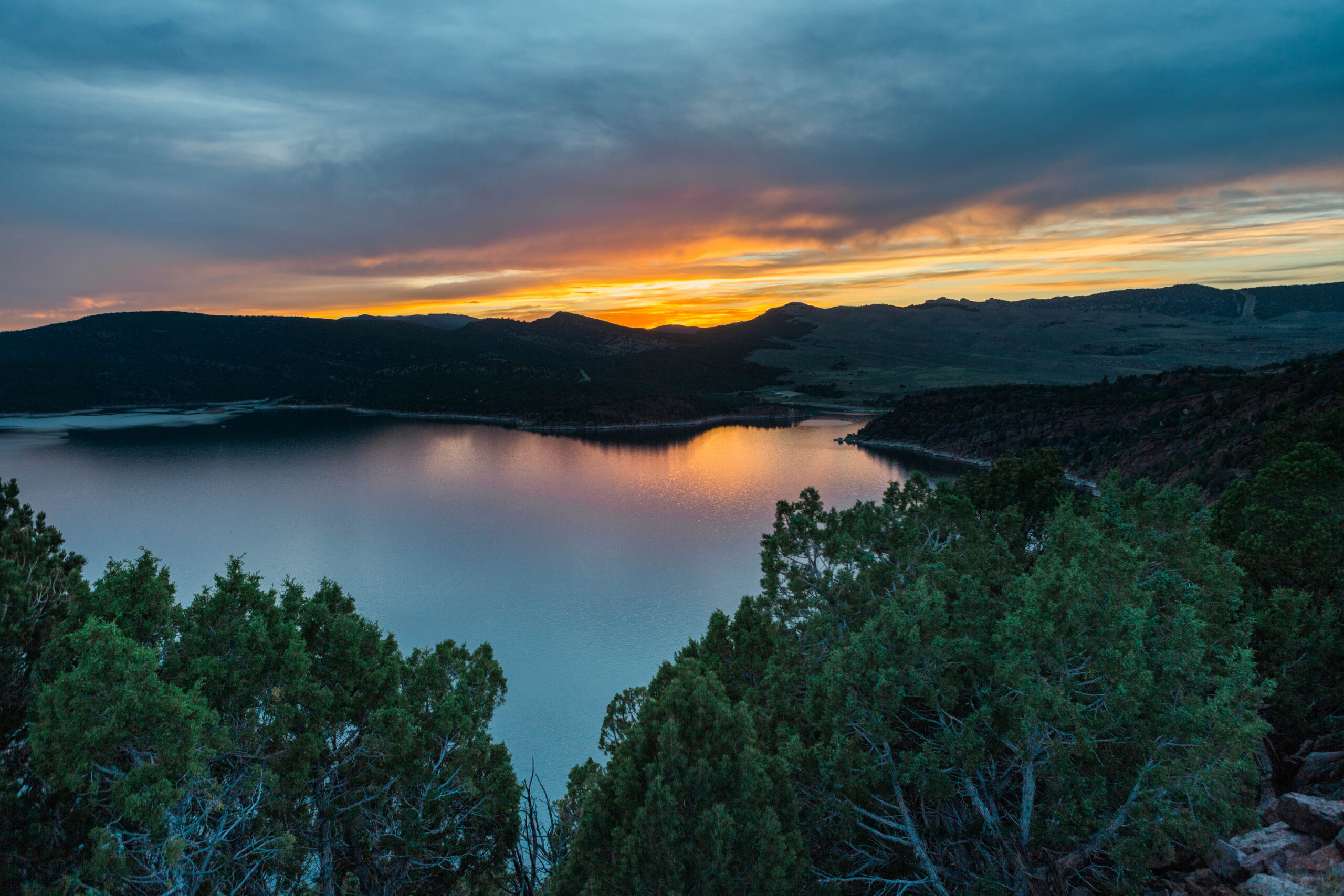
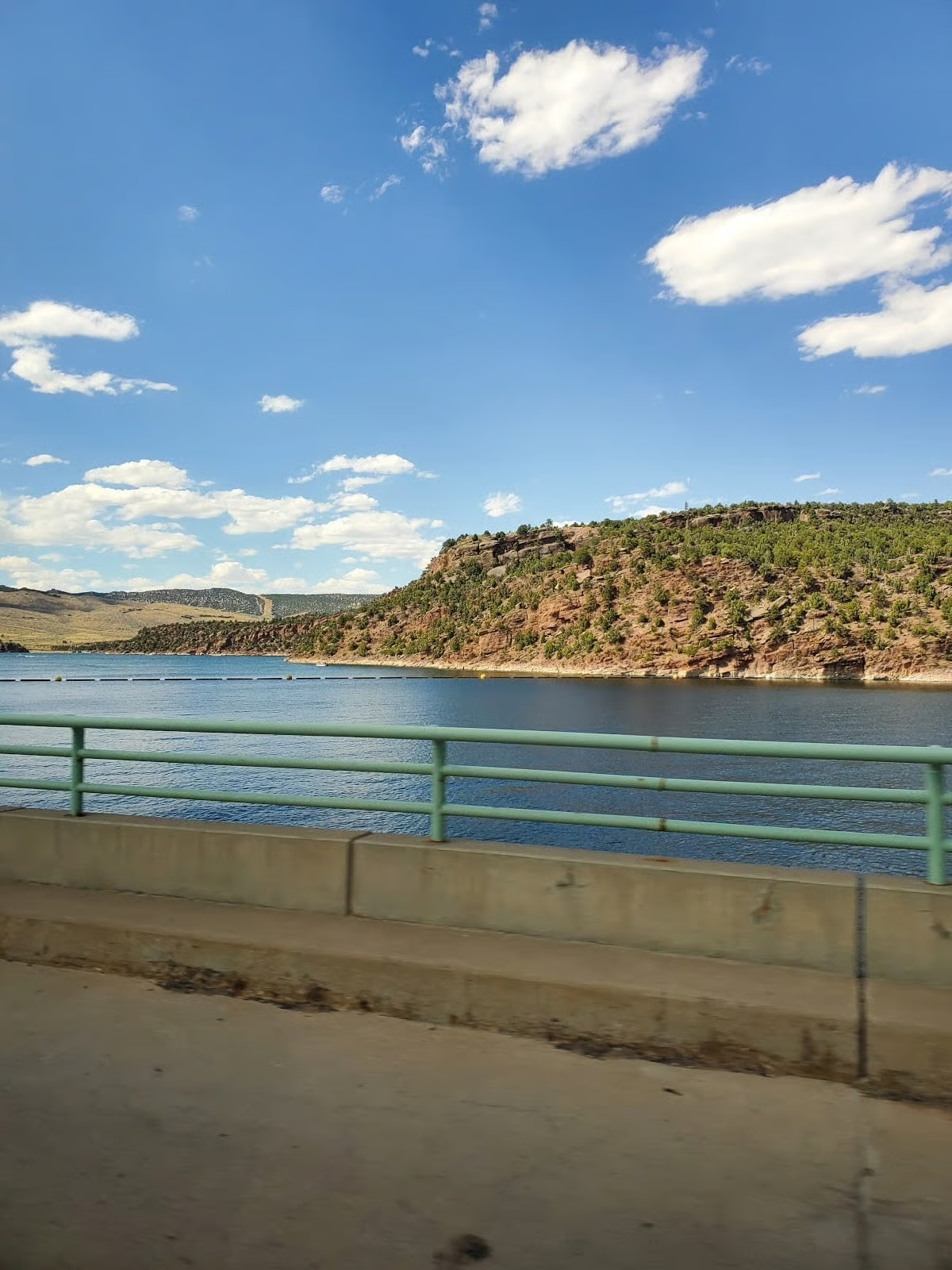
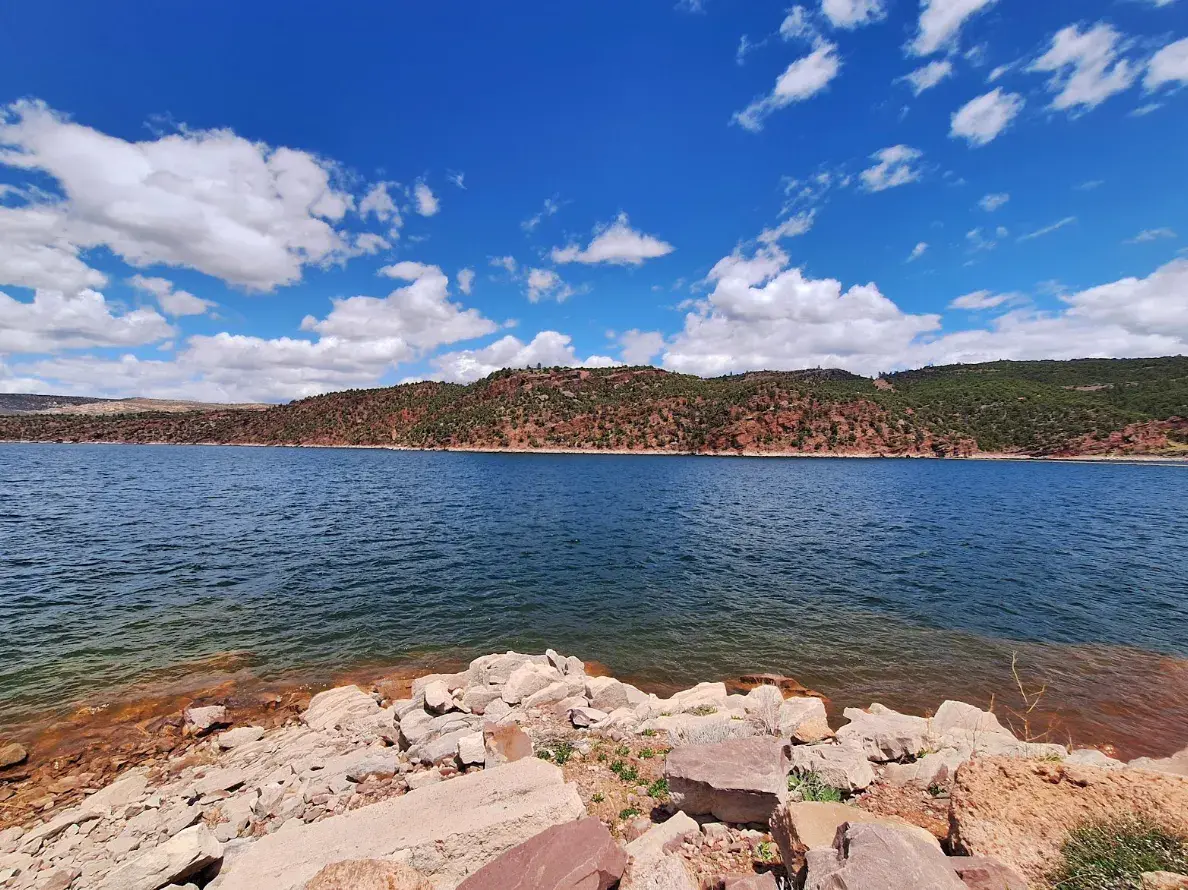
Flaming Gorge Reservoir stretches 91 miles from Utah into Wyoming, formed by the dam on the Green River and rimmed by canyon walls that rise directly from the water in shades of red and orange. Three full-service marinas, nine paved boat ramps, and miles of cove-dotted shoreline make this one of the premier boating destinations in the Intermountain West. Most visitors see it for the first time and just stop talking for a moment.
Boating and Water Sports
The reservoir is big enough that even on a busy summer weekend, you can find your own stretch of water. Motorboats, houseboats, jet skis, and watercraft of all kinds have room to spread out across the many inlets and coves. Three full-service marinas, Lucerne Valley, Antelope Flat, and Cedar Springs, handle rentals, fuel, supplies, and launches. Waterskiing, wakeboarding, parasailing, and tubing are all popular, and the early morning hours tend to bring the calmest conditions and the best light.
Kayaking, Paddleboarding, and Swimming
For something quieter, the reservoir's sheltered coves are ideal for kayaking and paddleboarding, with calm water and canyon views in every direction. Several sandy beaches open up for swimming during summer, and it is not unusual to spot pronghorn antelope, Dall sheep, or a variety of birds along the shoreline. Worth noting: the reservoir sits at over 6,000 feet, so the water stays cold even in peak summer. Pack accordingly.
World-Class Fishing
Flaming Gorge has a genuine reputation among serious anglers and it is well-earned. The reservoir holds a Blue Ribbon designation and produces trophy lake trout, brown trout, rainbow trout, kokanee salmon, and smallmouth bass. Lake trout exceeding 30 pounds are not unusual in the deep cold water of the southern canyons, and the fishing draws people from across the country who plan their whole trip around it.
The Green River below the dam is a different experience entirely. Cold, clear water released from the bottom of the reservoir feeds one of the finest tailwater trout fisheries in the country, with large brown and rainbow trout in a canyon setting that makes the fishing feel like it belongs in a different century. The Little Hole National Recreation Trail follows the river for seven miles below the dam and is one of the most rewarding fishing walks in the West.
For visitors who want to make the most of the Green River fishery, guided fly fishing trips are available through several outfitters based in Dutch John, just below the dam. A good local guide will put you on the right water and share the kind of knowledge that takes years to develop. If fly fishing is on your list, give the Green River a full day.
Hiking and Scenic Overlooks
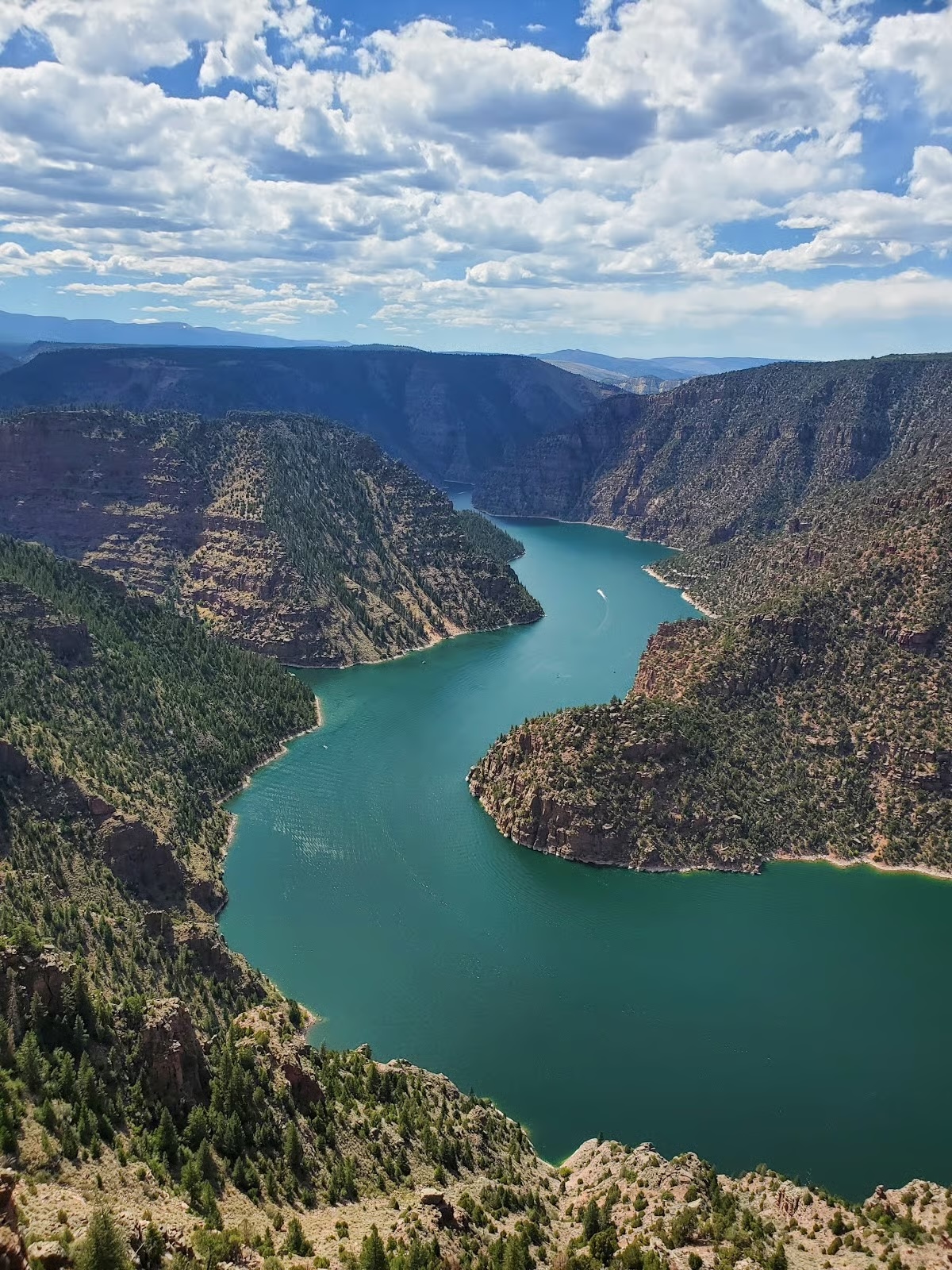
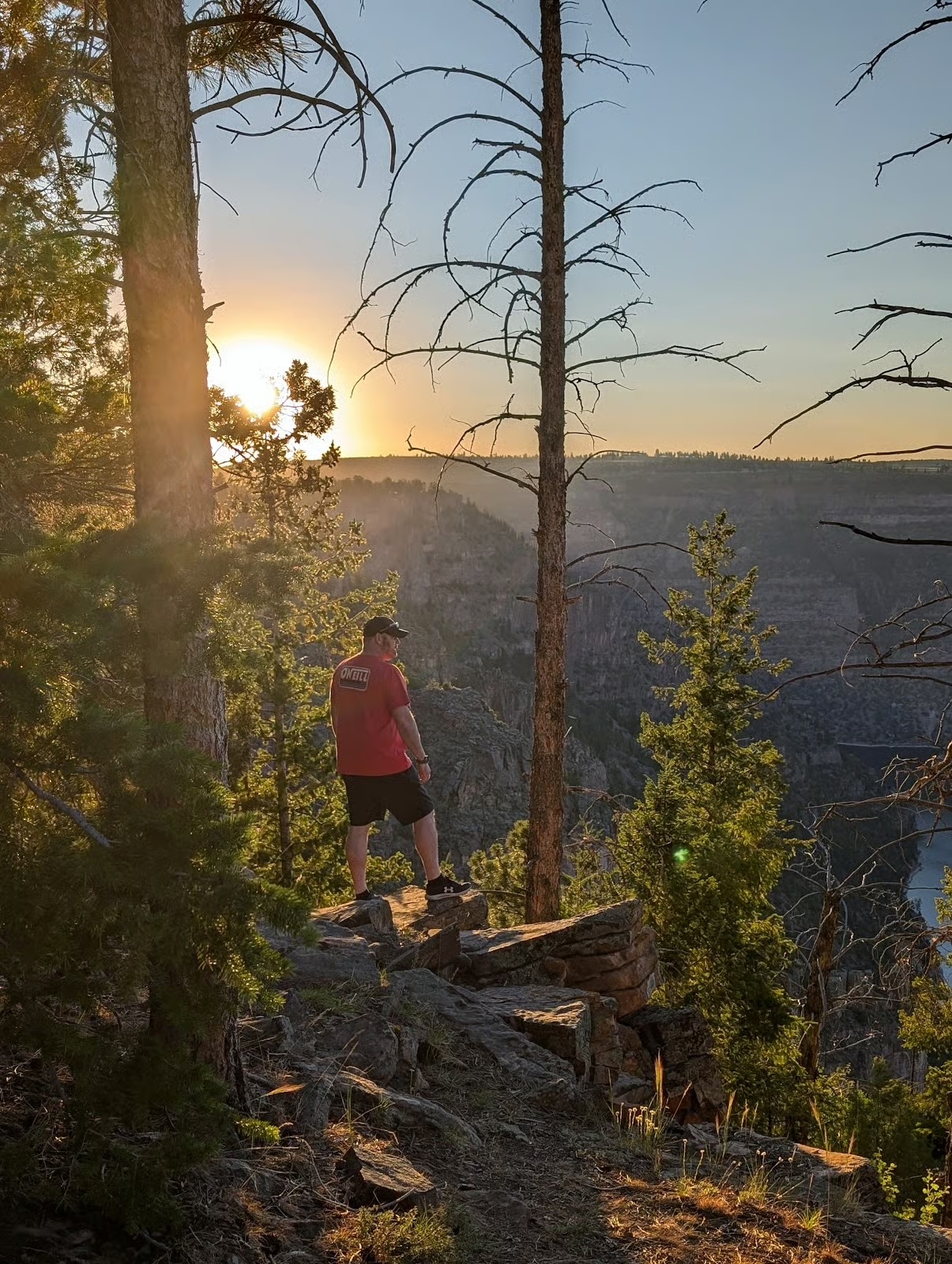
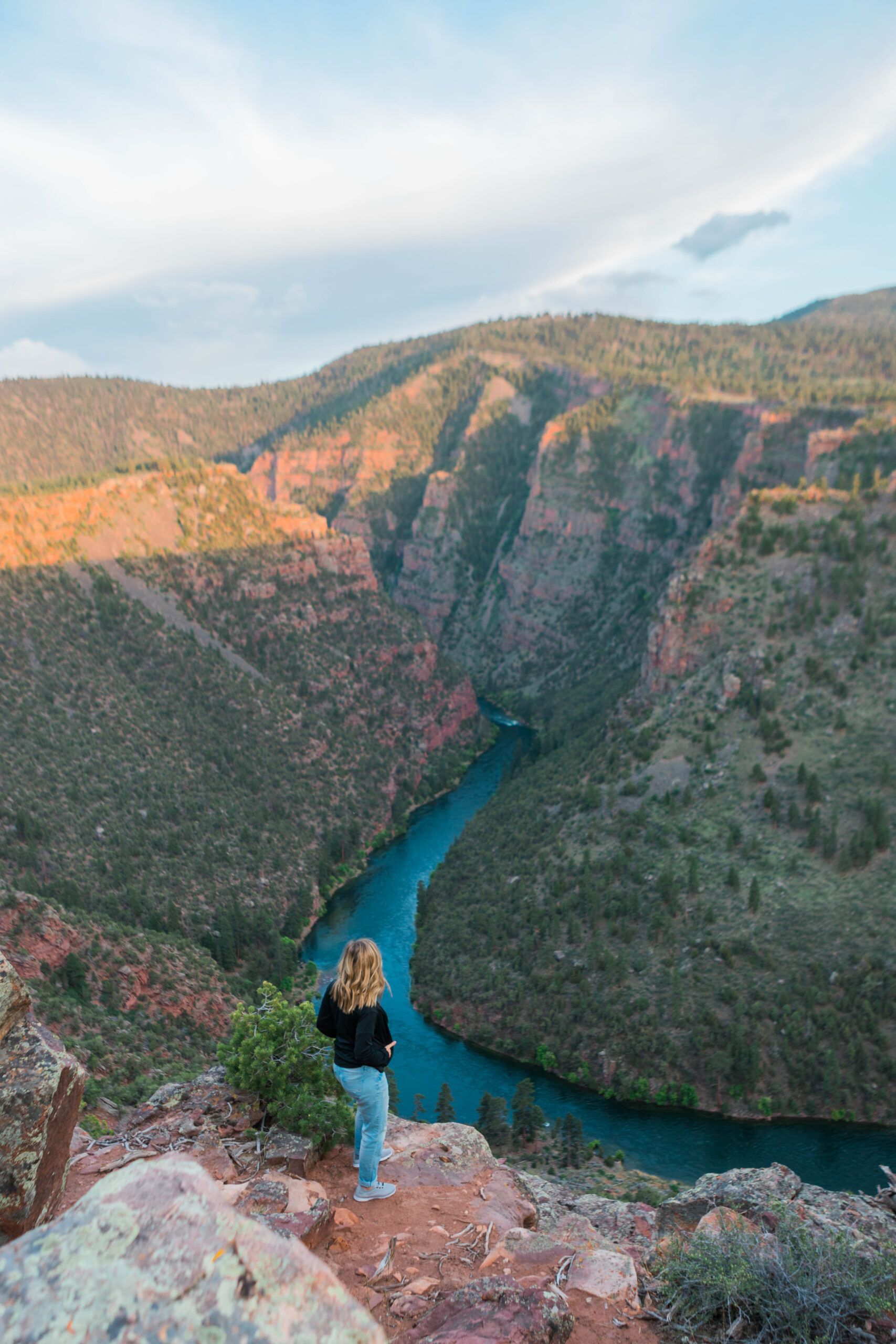
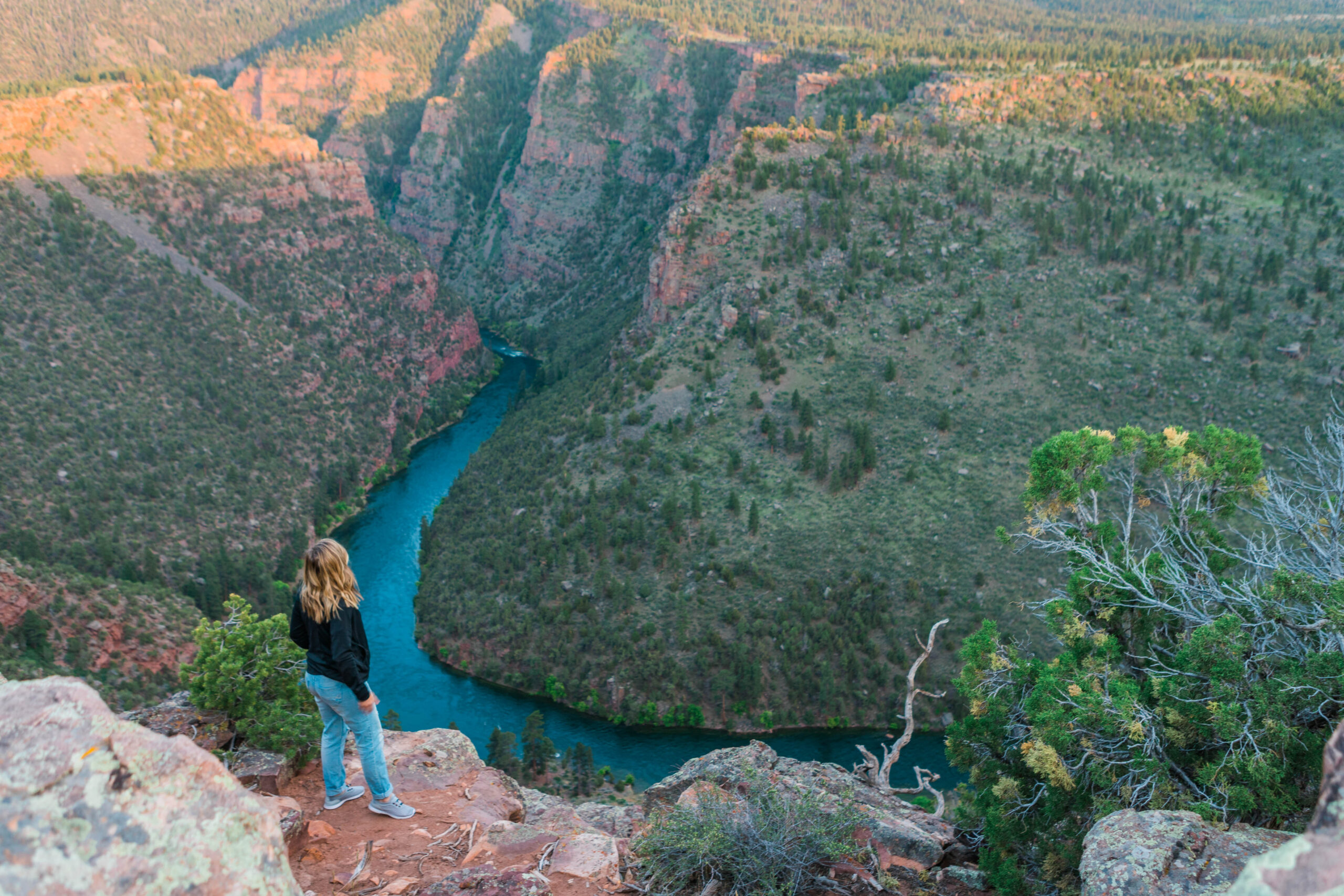
Flaming Gorge is not primarily a hiking destination, but the overlooks and trails throughout the recreation area deliver some of the most dramatic views in Utah. The Red Canyon Overlook off Highway 44 is worth a stop for anyone passing through, full stop. You stand at the rim and look straight down 1,400 feet of brilliant red sandstone to the blue-green reservoir below. It photographs well but the photo does not really prepare you for it.
The Bear Canyon Trail is an easy three-mile hike out to sweeping reservoir views. The Sheep Creek Canyon Geological Loop is a short drive and walk through a canyon where nearly a billion years of Earth's geological history is laid bare in the rock walls on either side of you. The Flaming Gorge-Uintas Scenic Byway has 15 interpretive stops and four nature trails for visitors who want to take it slowly and learn as they go.
Camping at Flaming Gorge
With 18 Forest Service campgrounds spread throughout the recreation area, including four boat-in campgrounds accessible only from the water, Flaming Gorge offers more variety of camping experiences than almost any other destination in the region. Whether you want a full-hookup RV site with modern amenities, a primitive tent site steps from the reservoir, or a boat-in camp on a remote stretch of canyon shoreline, you will find it here.
Some of the most popular campgrounds include Antelope Flat near the marina of the same name with easy water access, Mustang Ridge set among the pines above the reservoir with stunning canyon views, and Firefighters Memorial, a quieter option closer to the dam and Green River access. All campgrounds book quickly during summer weekends, so reservations through Recreation.gov are strongly recommended. Red Canyon Lodge, near the Red Canyon Overlook area, offers cabin accommodations and a restaurant for visitors who want something between camping and a hotel.
Winter at Flaming Gorge
Flaming Gorge does not shut down when the snow falls. Winter transforms the recreation area into a quieter, more solitary version of itself, and for the right traveler it is one of the most rewarding times to visit. Ice fishing on the reservoir draws anglers from across the region chasing the same trophy lake trout that make summer fishing famous here, with the added bonus of having the canyon almost entirely to yourself. Snowmobilers have access to hundreds of miles of groomed and ungroomed trails through the Ashley National Forest surrounding the recreation area.
The scenic byway between Vernal and Manila remains open through winter, and the snow-covered canyon views along Highway 44 are spectacular in a way that is entirely different from the summer experience. Most campgrounds close in winter, but Red Canyon Lodge remains open, offering cabin accommodations and a warm meal after a cold day on the ice or the trails.
The Scenic Drive from Vernal
The Flaming Gorge-Uintas National Scenic Byway begins in Vernal and is one of the great drives of the American West. Heading north on US-191, the road climbs from the Uinta Basin through the eastern flank of the Ashley National Forest, passing Red Fleet and Steinaker State Parks before entering the recreation area proper about 33 miles north of Vernal. The terrain shifts dramatically as you ascend, moving from high desert sage and red rock formations into dense pine and aspen forests before arriving at the rim of the canyon.
At the junction of US-191 and Highway 44, the byway splits. Continuing north on US-191 takes you to the Flaming Gorge Dam and the small community of Dutch John, home to fishing guides, outfitters, and river access for the Green River tailwater. Heading west on Highway 44 takes you along the southern rim of the reservoir through some of the most scenic country in Utah, passing the Red Canyon Overlook and Sheep Creek Canyon before arriving in Manila. Both branches are worth doing. Allow a full day if you want to explore both and stop along the way.
Official Park Details and Fees
Flaming Gorge National Recreation Area is managed by the US Forest Service as part of the Ashley National Forest. A Recreation Use Pass is required at major boat launches and at the Little Hole National Recreation Trail. Travel on the main roads and visits to the dam are free.
|
DAY USE PASS $5 per day at fee areas |
MULTI-DAY PASS $15 for 16 days, $35 annual |
CAMPING FEES Vary by campground. Book at recreation.gov |
|
GETTING THERE 40 miles north of Vernal via US-191. Follow the Flaming Gorge-Uintas Scenic Byway. |
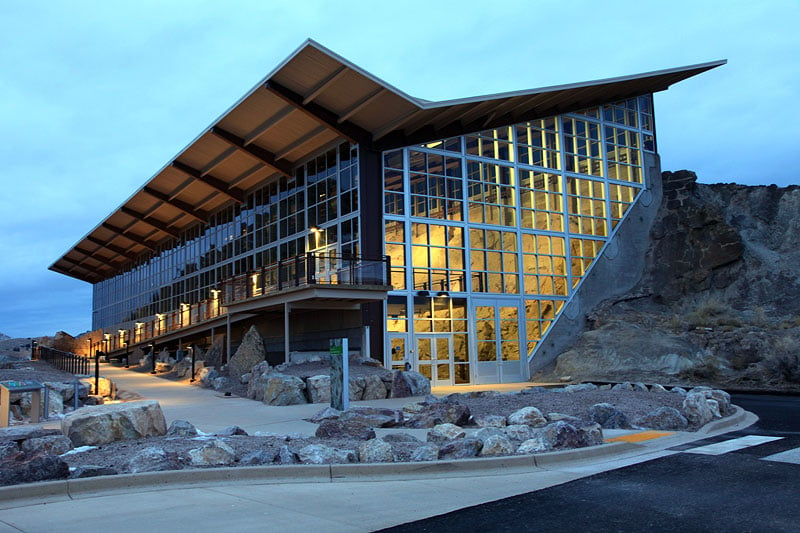
VISITOR CENTERS Red Canyon Visitor Center (seasonal) and Flaming Gorge Dam Visitor Center |
OPEN Year-round. Summer is peak season. Winter brings snowmobiling and ice fishing. |
Flaming Gorge Visitor Centers
Stop by for guided dam tours, local exhibits, trail maps, and current fishing or boating conditions.
Flaming Gorge Dam Visitor Center: US-191, Dutch John, UT | 435-885-3135
Red Canyon Visitor Center: UT-44, Dutch John, UT | 435-889-3713
Make Vernal Your Base for Flaming Gorge
Flaming Gorge is one of the crown jewels of the Dinosaurland region, but it is only part of the story. Once you have had your fill of the canyon and the reservoir, head back south on the scenic byway into Vernal to explore everything else Dinosaurland has to offer. The Utah Field House of Natural History, Dinosaur National Monument, Red Fleet State Park, and Steinaker State Park are all waiting.
Vernal is the ideal base camp for your Flaming Gorge adventure, with a full range of hotels, motels, and campgrounds to fit every travel style, and a growing dining scene that gives you somewhere worth returning to after a long day on the water.
Frequently Asked Questions
How far is Flaming Gorge from Vernal, Utah?
Flaming Gorge National Recreation Area is about 40 miles north of Vernal via US-191, roughly a 45-minute drive along the Flaming Gorge-Uintas National Scenic Byway.
Is Flaming Gorge worth visiting?
Yes. Flaming Gorge offers some of the best boating, fishing, and scenic driving in the Intermountain West, all within an easy drive of Vernal. The 91-mile reservoir, dramatic red canyon walls, and Blue Ribbon fishery make it one of the standout destinations in Dinosaurland.
What is the best time of year to visit Flaming Gorge?
Summer is the peak season for boating, water sports, and warm-weather fishing, with the reservoir and campgrounds busiest from June through August. Spring and fall offer milder temperatures and fewer crowds. Winter brings ice fishing and snowmobiling for visitors who do not mind the cold.
Can you fish at Flaming Gorge year-round?
Yes. The reservoir's Blue Ribbon fishery is open year-round, including ice fishing in winter for the same trophy lake trout that draw summer anglers. The Green River tailwater below the dam also fishes well throughout the year thanks to consistently cold water released from the dam.
How do I get from Vernal to Flaming Gorge?
From Vernal, take US-191 north and follow the Flaming Gorge-Uintas National Scenic Byway for about 40 miles. The drive passes Red Fleet and Steinaker State Parks before climbing into the Ashley National Forest and arriving at the recreation area.